
The Ultimate Guide to Choosing the Right Vape Products for Your Convenience Store (and Boosting Daily Profits)
If you run an independent convenience
store, your shelves have one job: turning limited space into sales.
Vaping already plays a big part in British
shopping habits. An estimated 5.5 million adults in Great Britain vape in 2026,
around 10% of the adult population, and daily vaping has grown steadily over
the years. For convenience retailers the category matters even more. The
Association of Convenience Stores (ACS) describes tobacco, e-cigarettes and
vaping products as one of the largest category groups in local shops,
accounting for 18.8% of category sales in its 2024 Local Shop Report.
There's one big catch, though: the UK vape
market has changed.That means it's no longer enough to put some vapes behind
the counter and hope for the best. The opportunity now is to build a compliant,
sensible range that gives customers a reason to keep coming back, and gives
your limited shelf space a reason to exist.
Why Your Store Should Take Vaping Seriously
The biggest mistake is treating vapes as
just another product behind the counter. They're a repeat-purchase category.
Customers rarely buy once and disappear. Depending on the product, they'll come
back for replacement pods,
refills, e-liquid
or eventually a new device, and each visit is another sale.
The customer base is already there. ASH's
2026 research estimates that 5.5 million adults in Great Britain vape, with
7.8% of adults vaping every day. That's good news, because convenience is
exactly what you sell.
Your customers already come to you for:
- Tobacco
- Snacks and soft drinks
- Milk and groceries
- Lottery products
- Household essentials
- Fuel
- Other everyday top-ups
A well-run vape category gives them one
more reason to buy from you rather than elsewhere.Picture two stores a few
minutes apart. Store A has a patchy, disorganised selection of vape products.
Store B has a clear display of compliant rechargeable devices, replacement pods
and popular flavours. A customer who knows exactly what they want will head for
the store most likely to have it. Not every vaper will become a new customer,
but availability matters. If you don't have what an adult customer is looking
for, someone else gets the sale.
The First Rule: Don't Stock Everything
Plenty of retailers fall into this trap, so
it's worth saying plainly: a bigger display isn't always a better one.
Aim for maximum sales from minimum shelf
space. You don't need dozens of near-identical products. You need a range that
covers different customer needs without tying up cash in slow movers.
Think of your range in four layers:
- Core devices (such as pod kits)
- Replacement pods and refills
- E-liquids or nicotine products, where legally permitted (including nicotine pouches)
- Accessories
and complementary products
The right mix depends on your store, your
local customers, your supplier's availability and the regulations that apply to
you. Above all, measure what actually moves rather than guessing.
What Are the Best Vape Products for Convenience Stores?
There's no single best product. It depends
on who walks through your door. A simple framework helps.
1. Start with rechargeable and refillable products
Because single-use vapes are banned, your
buying strategy should be built around legal reusable products. These are
typically devices that:
- Have rechargeable batteries
- Use refillable tanks or cartridges
- Accept replacement pre-filled pods
- Can be used again and again
That brings a commercial bonus: repeat
purchases. A customer who buys a pod system will need replacement pods or
e-liquid later, so it isn't a one-off sale.
2. Build around pod systems
Pod systems suit convenience retail because
they're easy to explain. Rather than overwhelming customers with complicated
hardware, you can build your range around a few familiar device families. Our Hayati
wholesale collection shows how a single brand can cover several of these,
and our Hayati
Pro Max 6000 product guide for retailers walks through one of them in
detail.
- Entry-level pod devices: simple, reusable
options for customers who want something straightforward.
- Prefilled
pod kits: easier for people who don't want to deal with
bottled e-liquid.
- Refillable pod systems: for
customers who value flexibility and long-term use. Our guide to Hayati
Stack 15K refill pods is a good example of how refill-based ranges
work.
- Replacement pods: never
underestimate these.
If you sell a device but don't stock
compatible replacements, you're sending your customer to a competitor. Plan
device availability and refill availability together.
3. Don't ignore flavours
Format gets a customer's attention. Flavour
decides what they actually buy.
You don't need every flavour from every
manufacturer. Start with a controlled range and think in flavour families:
- Fruit: familiar, sweet or
refreshing options.
- Menthol and cooling: for customers
who want a fresher sensation.
- Drinks: drink-inspired profiles
that add variety beyond fruit.
- Familiar combinations: recognisable
blends that help customers know what they're getting.
Then track sales per flavour. After 30 to
60 days, your till data will tell you far more about your customers than any
generic "top flavours" list. If you want a starting point, our best sellers page shows
what other retailers are ordering, and new arrivals shows what's
just landed.
What About the "Fastest-Selling Disposable Vapes"?
Many retailers still search for this, so it
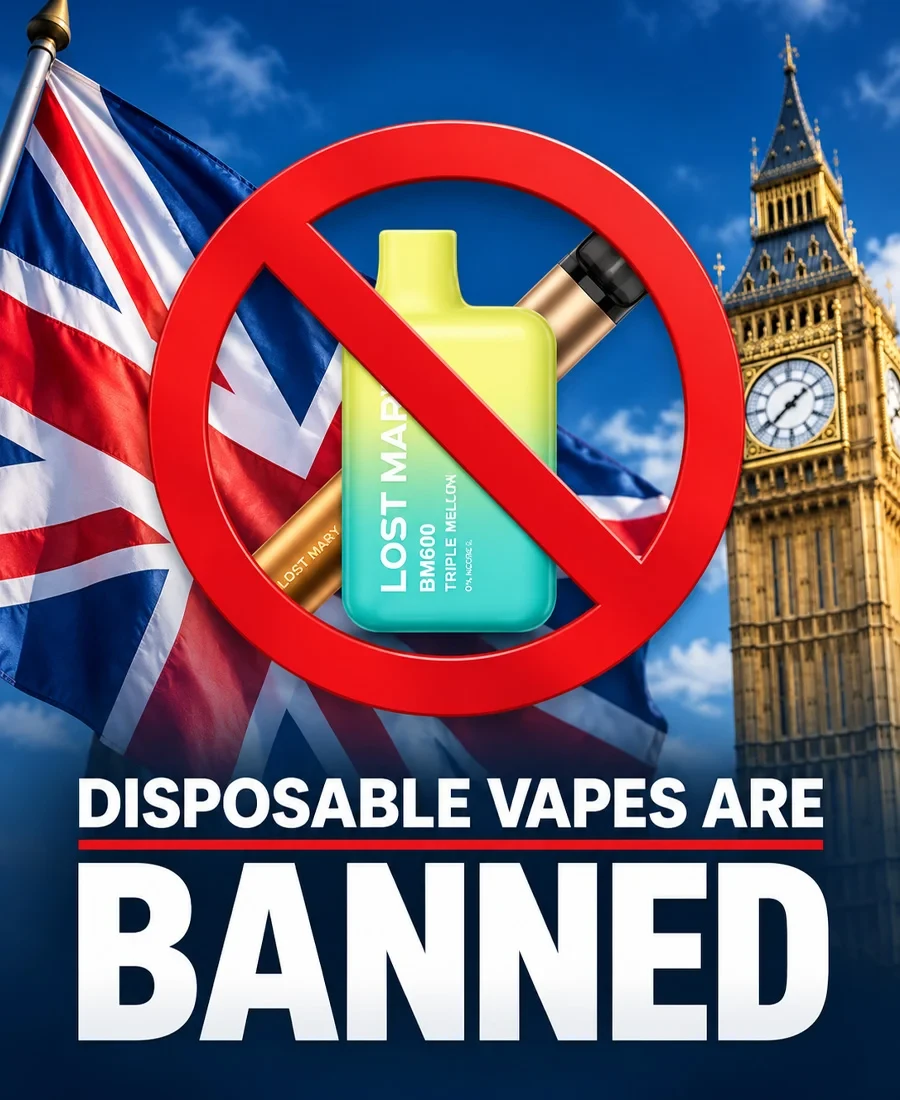
needs addressing. Disposable vapes cannot be legally sold in the UK, and the
ban has applied since 1 June 2025.
Update your buying strategy accordingly.
Look for rechargeable and refillable alternatives that offer similar
convenience while staying within the rules. Don't let an old category dictate
how you buy.
How to Choose the Most Profitable Vape Brands
"Most profitable vape brands" is
a common search, but there's a better question to ask:
Which products give me the best return
on my shelf space?
A high margin percentage doesn't
automatically make a product your most profitable one. What matters is:
Gross profit per unit × units sold = gross
profit contribution
How quickly you recover your stock
investment matters too. Here's an example:
|
Product |
Cost |
Selling price |
Gross profit per unit |
Units sold |
Total gross profit |
|
Product A |
£8 |
£12 |
£4 |
10 |
£40 |
|
Product B |
£10 |
£15 |
£5 |
3 |
£15 |
Product B earns more per unit, but Product
A brings in £40 from its ten sales against Product B's £15. Retailers should
track profit velocity, not just margin percentage. When you're comparing
options, it helps to browse vape
brands side by side rather than judging on headline margin alone.
How Much Vape Stock Should a Convenience Store Buy?
Don't fill a whole cabinet on day one.
Begin with a controlled test range, with a limited number of facings for:
- Core devices
- Replacement pods
- A choice of flavours
- A few complementary products
Use the early results to see what your
customers actually buy. Once you understand the mix, add depth to your best
sellers and trim the slow ones. That way your vape cabinet becomes a
data-driven category rather than just a display.
The Golden Rule of Vape Retail: Availability
Imagine a customer walks in and asks for a
specific compatible pod. You don't have it, so they leave. Worse, you've lost
the whole basket that came with them.
The fix is to track your fastest-moving
SKUs. A simple spreadsheet will do:
|
SKU |
Units sold/week |
Current stock |
Reorder point |
|
Device A |
12 |
8 |
6 |
|
Pod A |
25 |
15 |
10 |
|
Flavour B |
18 |
9 |
8 |
You don't need expensive software. A basic
Excel sheet is fine, as long as you look at it every week.
How to Sell Vapes Responsibly
Compliance has to be at the heart of your
approach from the start. This is one area where cutting corners rarely makes
commercial sense. UK regulations cover everything from product compliance to
age restrictions and advertising.
From 29 October 2026, the age-of-sale rules
for vaping and nicotine products will be 18+, and government guidance also
covers restrictions on free promotional distribution and substantial discounts
used to promote these products.
Your procedures should cover the following.
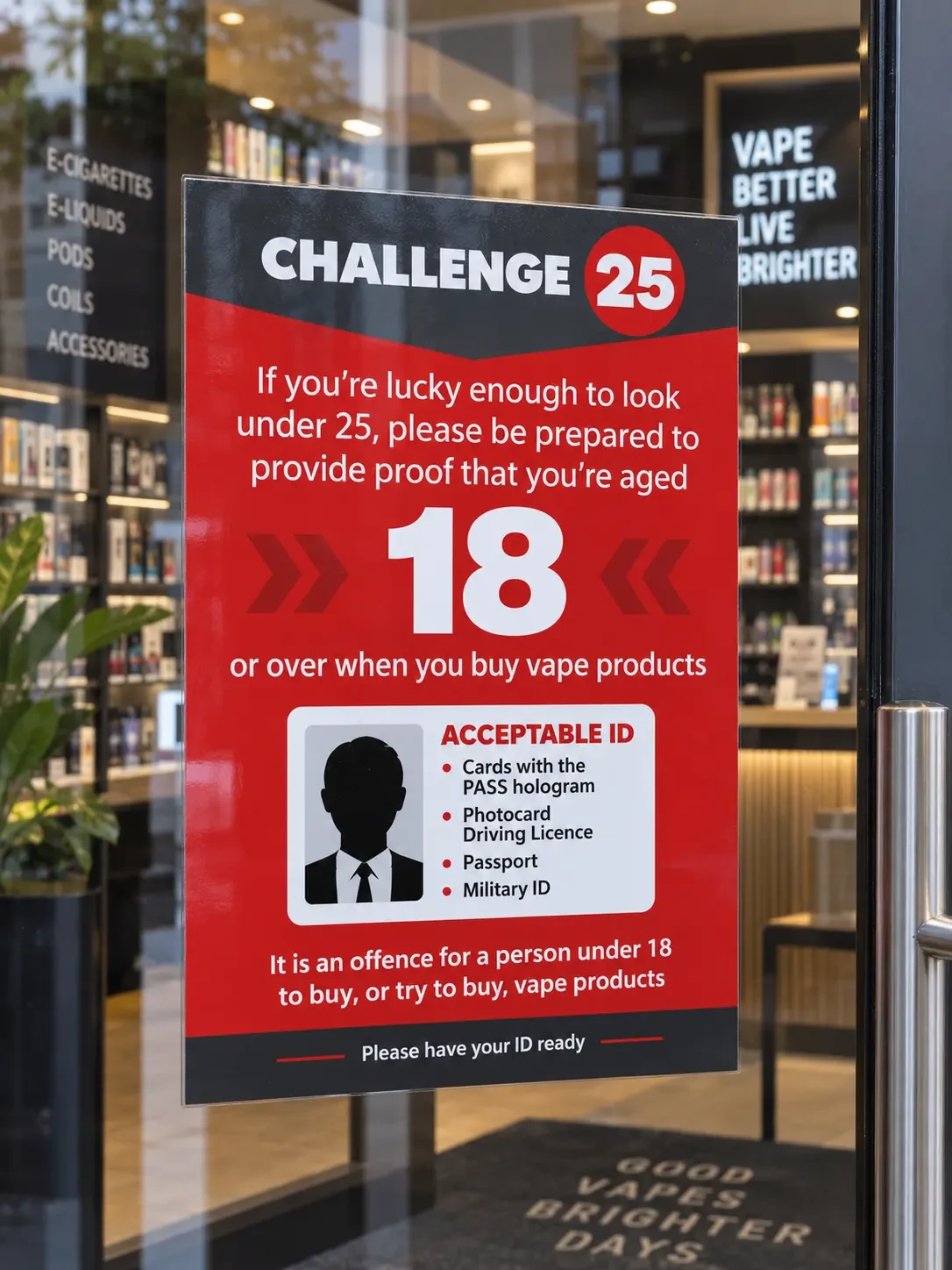
Age verification. Make sure every team member understands your policy. ACS
specifically recommends Challenge 25 procedures to reduce the risk of underage
sales.
Staff training. Anyone who might sell vape products should know:
- The minimum age requirement
- Your ID policy
- Which products are authorised for sale
- What to do when they're unsure
- Your internal escalation process
Product checks. Don't simply buy the cheapest stock available. HMRC guidance
recommends that retailers keep clear records of where products came from and
what checks were made.
Your Supplier Matters More Than You Think
A cheap supplier isn't always a good one.
The wrong supplier can bring:
- Compliance problems
- Stock shortages
- Inconsistent pricing
- Slow delivery
- Dead stock
- A poor customer experience
When you're comparing wholesale vapes for
c-stores, ask:
- Are the products compliant for UK sale? You need to be sure the stock is legitimate. At Global
Bargain, we verify
every retailer before trade pricing is unlocked.
- Can they provide proper invoices and documentation? Records are critical.
- How quickly can they replenish popular SKUs? Running out of a best seller is expensive. Check the
supplier's delivery
policy before you commit.
- Is their availability consistent? A
supplier who keeps changing the range makes it hard to plan.
- Can they give you proper product information? Your team needs to know what it's selling.
- Do they understand the convenience sector? A supplier to specialist vape shops isn't necessarily set up
for an independent c-store. You can learn more about us to see
how we work with retailers.
The 2026 Vaping Duty Makes Supplier Choice Even More Important
The UK's Vaping Products Duty came into force on 1 October 2026, at £2.20 per 10ml of vaping liquid (£0.22 per ml).
For retailers, the headline rate isn't the
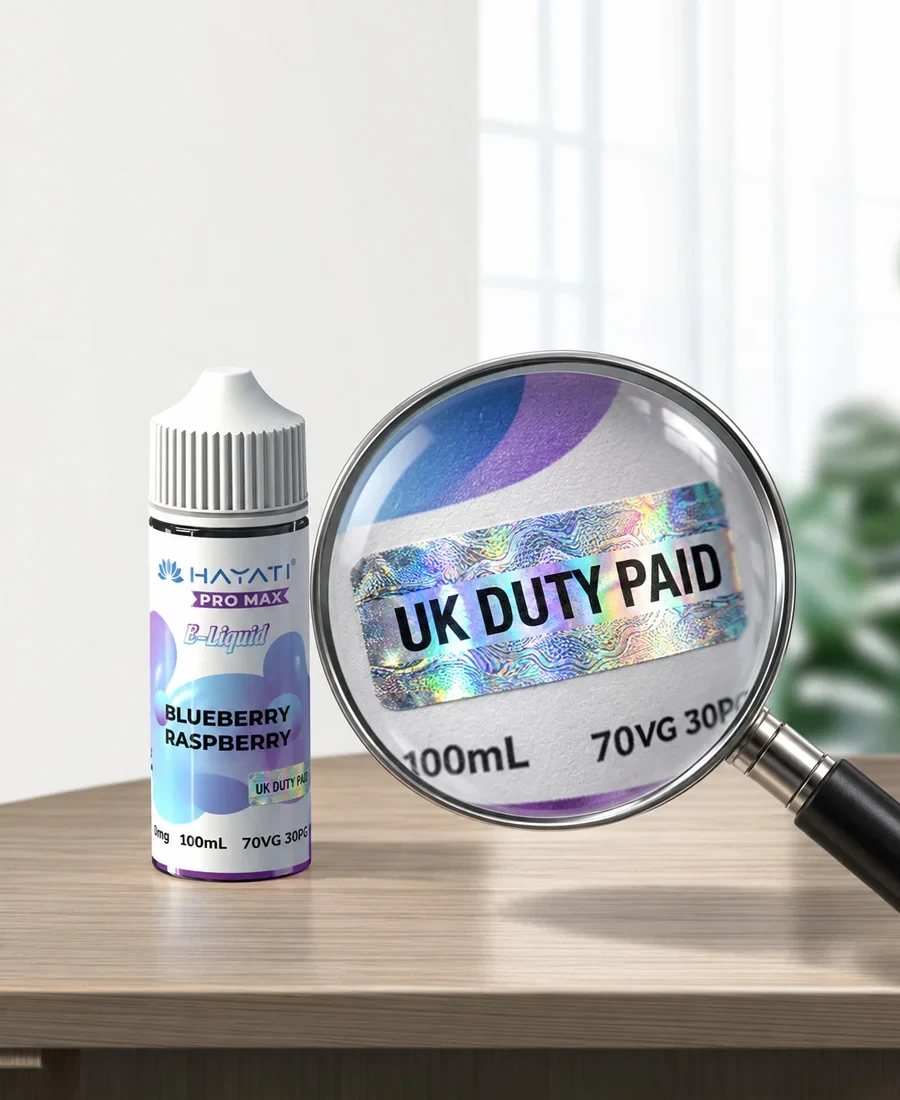
main issue. What matters is what you're buying. HMRC says that from 1 October
2026, liable vaping products released onto the UK market must carry a vaping
duty stamp. Certain unstamped products made or imported before that date can
still be sold during a transition period until 31 March 2027. From 1 April
2027, unstamped vaping products must not be sold.
That makes supplier documentation and stock
traceability more important than ever. If your supplier can't explain the
compliance status of the stock you're buying, treat it as a red flag. If you're
thinking about how duty affects refillable devices, see our post on using
e-liquid with the Hayati 4K after VPD.
Don't Compete on Price Alone
One of the easiest mistakes in convenience
retail is thinking, "I'll just sell it cheaper than everyone else."
That rarely delivers the best results.
Your store already has real advantages:
- Location
- Convenience
- Opening hours
- Existing customers
- Immediate availability
- Familiarity
- Trust
And from 29 October 2026, substantial
discounts used to promote vaping products will be restricted anyway.
So instead of building your category around
discounting, focus on:
Availability + range + service +
compliant products + sensible pricing.
Turn Your Vape Cabinet Into a Sales Machine
Your display should make buying easy.
Organise it logically so customers aren't confused:
- Section 1, Devices: your main
rechargeable and reusable devices.
- Section 2, Prefilled pods:
compatible products grouped together.
- Section 3, Refills: replacement
products that are easy to find.
- Section 4, E-liquid: organised by
brand and flavour profile where it makes sense.
A customer should be able to answer three
questions quickly:
- What is it?
- Which option is right for me?
- What do I need to replace or refill it?
Don't overstock slow movers
Dead stock is one of the biggest risks for
a small retailer. A product sitting in your cabinet isn't making money, it's
costing you money. Keep a simple rule:
- If it sells, reorder.
- If it's slow, reduce the order.
- If it doesn't move, investigate or
replace it.
Don't get attached to products just because
they're popular elsewhere. Your customers are your market, and your EPOS data
is your evidence.
A Simple 30-Day Vape Category Plan
If you're introducing vapes to your store,
don't overcomplicate the launch.
Week 1: Audit. Look at competitor ranges, available cabinet space, existing
tobacco customers, current demand, supplier options and local compliance
requirements.
Week 2: Select. Choose a focused starting range. Prioritise recognisable brands,
rechargeable and refillable products, compatible replacements, popular flavour
families, and products that suit your customer base. You can see the full product range to shortlist
from.
Week 3: Launch. Set up your display, train your staff, and put clear procedures in
place for age verification and sales.
Week 4: Measure. Review units sold, gross profit, best and slowest SKUs, stockouts
and customer requests. Then adjust.
Don't guess. Optimise.
The Bottom Line: Shelf Space Should Earn Its Place
Convenience retail is a constant battle for
productive space. Every shelf, cabinet and counter display has an opportunity
cost.
Vaping is a substantial adult consumer
category, with around 5.5 million adult vapers in Great Britain in 2026. But
the opportunity isn't about adding as many products as possible. The winning
approach is more disciplined:
- Stock legal products.
- Choose recognisable products.
- Cover core customer needs.
- Keep replacements available.
- Track your sales.
- Remove slow movers.
- Reorder proven sellers.
- Buy from suppliers who can demonstrate legitimate, compliant
stock.
That's how a convenience retailer turns
limited shelf space into a productive category.
Ready to Build Your Vape Range?
Before your next wholesale order, walk into
your store and take an honest look at your vape space. Ask yourself:
- How much space am I giving this category?
- Which products actually sell?
- How often do I run out?
- How many customers ask for products I don't stock?
- Can my supplier replenish my fastest-moving lines quickly?
And most importantly: is my current
range helping me capture vape purchases, or sending customers somewhere else?
If you're ready to build a more focused
range, start with what your customers are already asking for and build outward
from there. When you're looking for wholesale
vapes for c-stores, the goal isn't the biggest catalogue. It's the right
one.
Because in convenience retail, the most
valuable product isn't the one with the biggest headline margin. It's the one
that sells consistently, turns stock quickly and earns its place on your shelf.
Audit your cabinet. Review your sales.
Speak to your supplier. Then open a trade account
and build your next order around evidence, not guesswork.